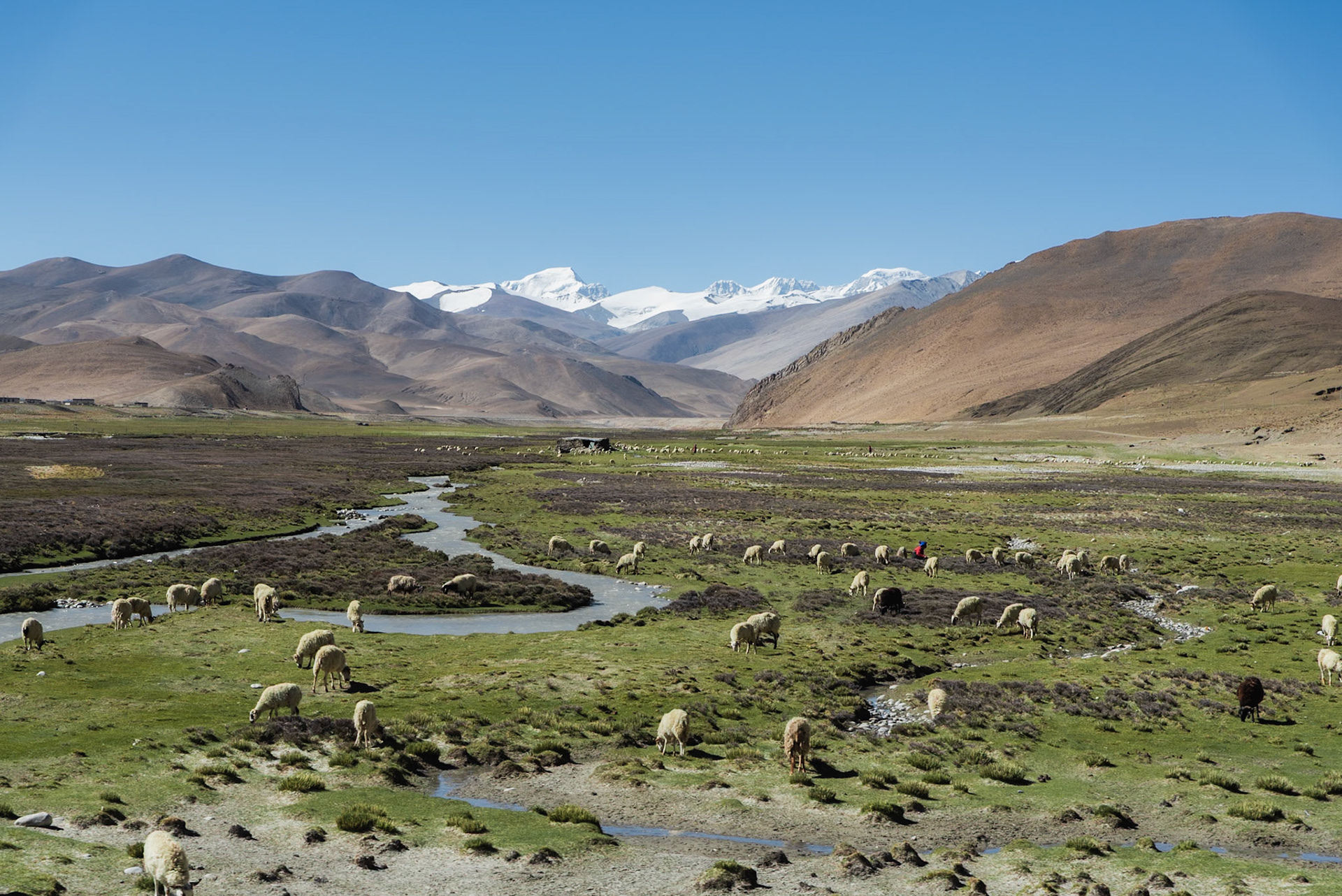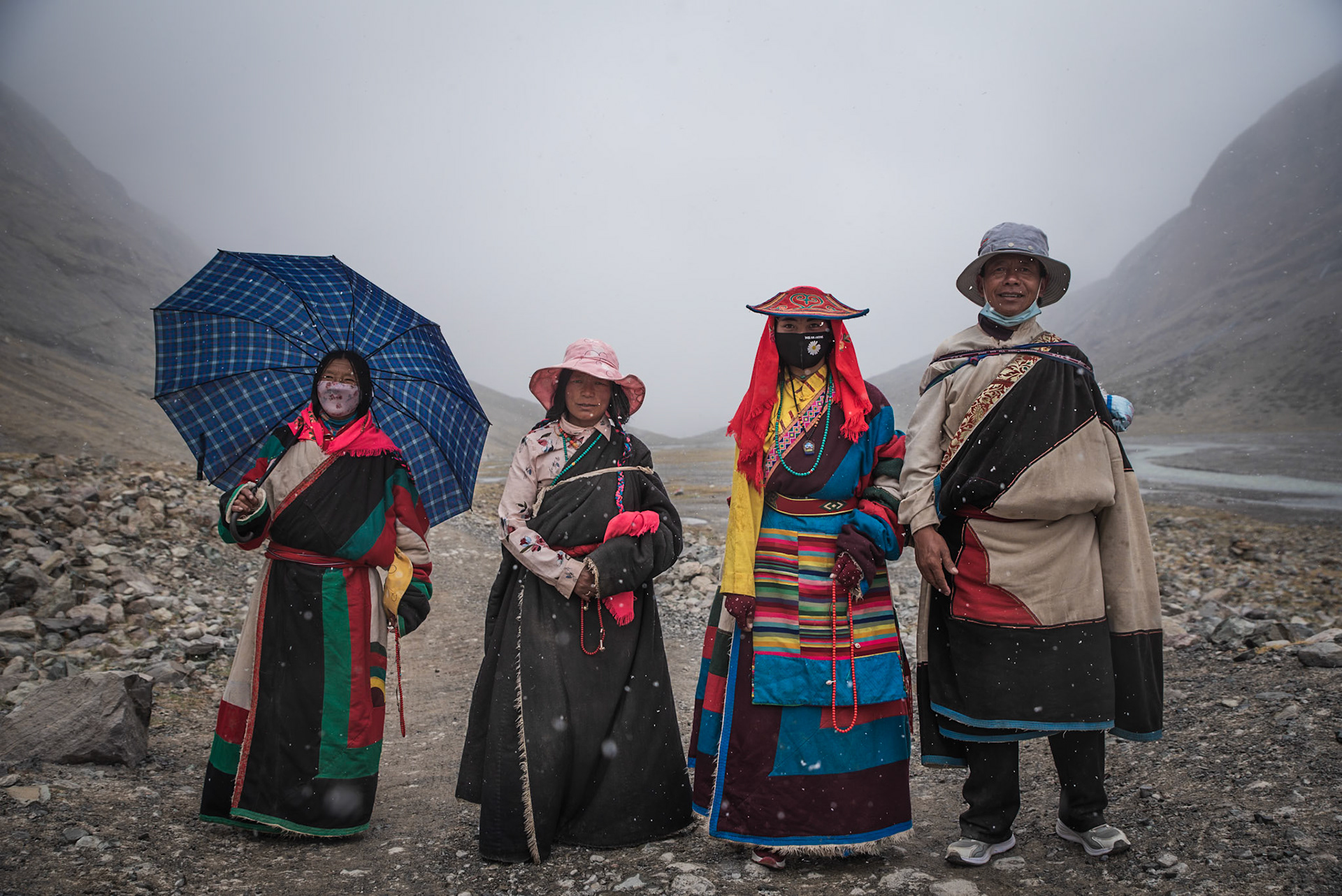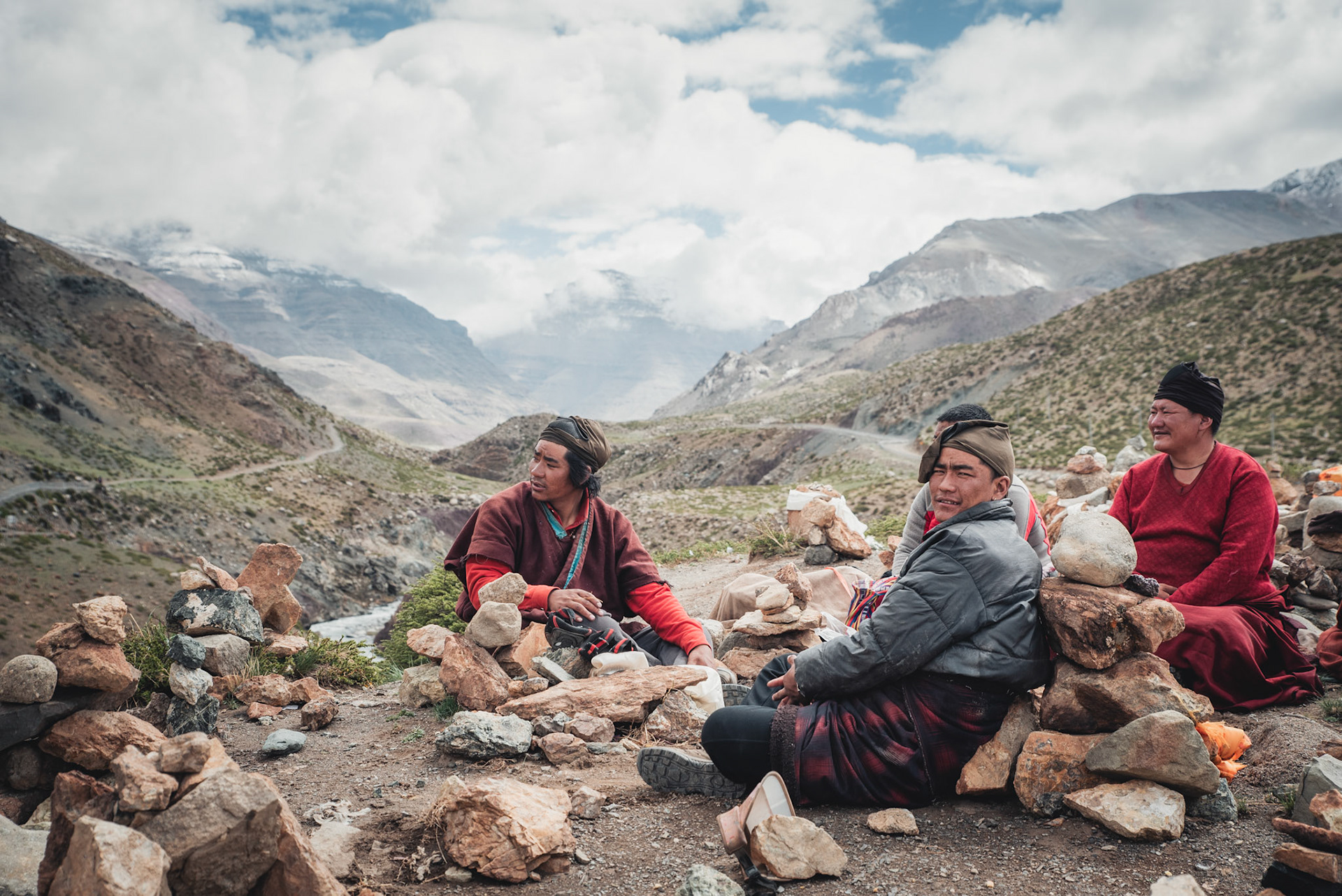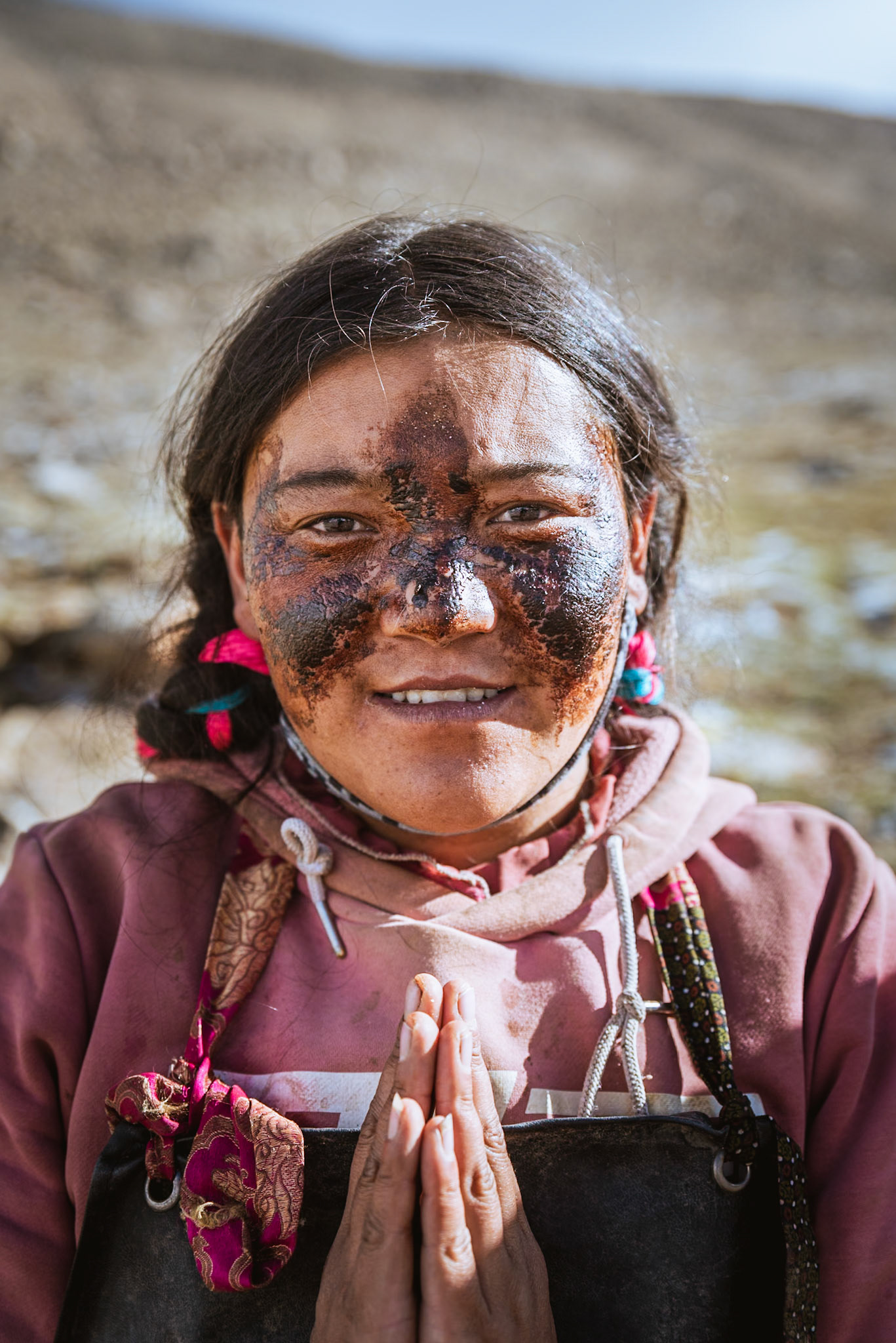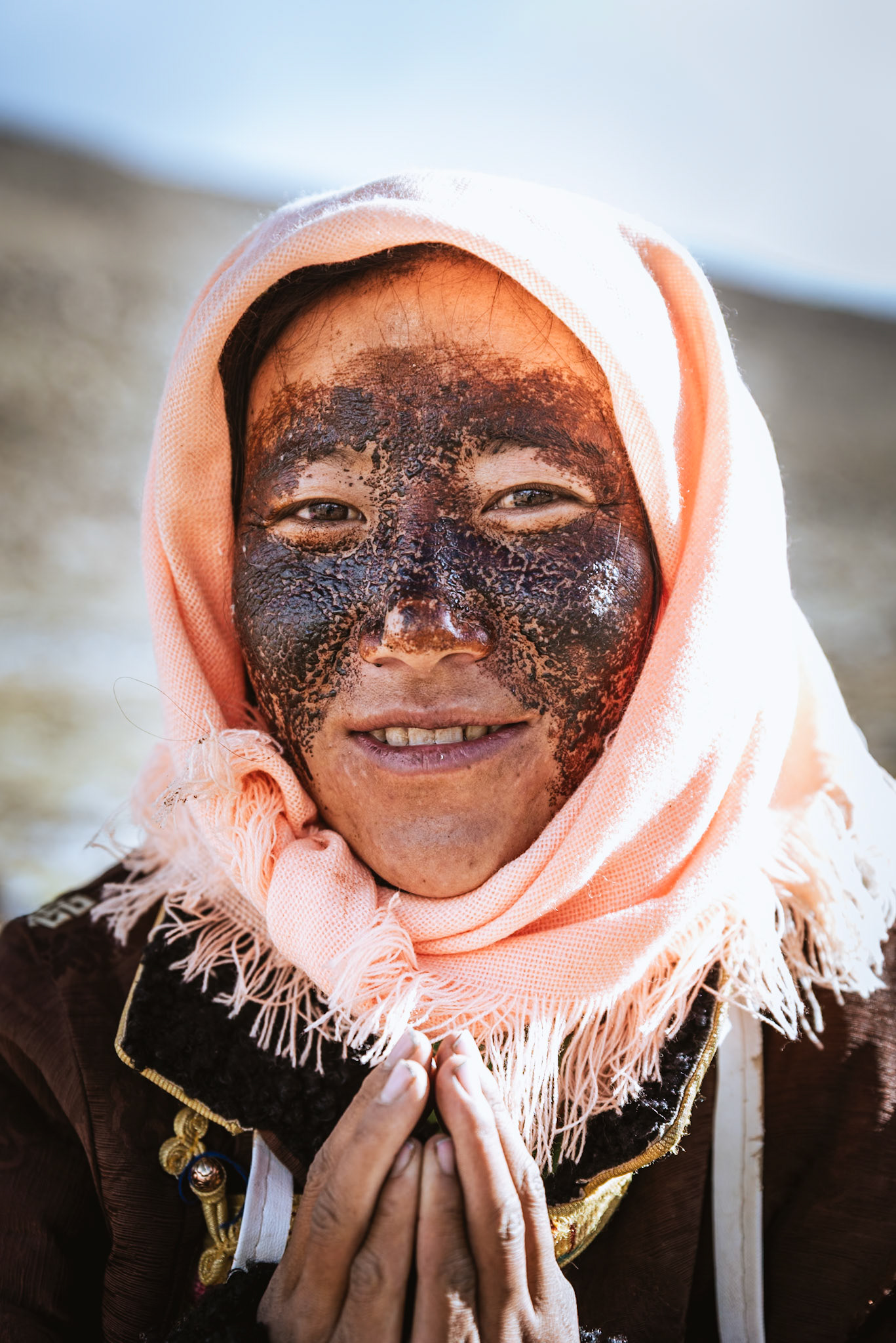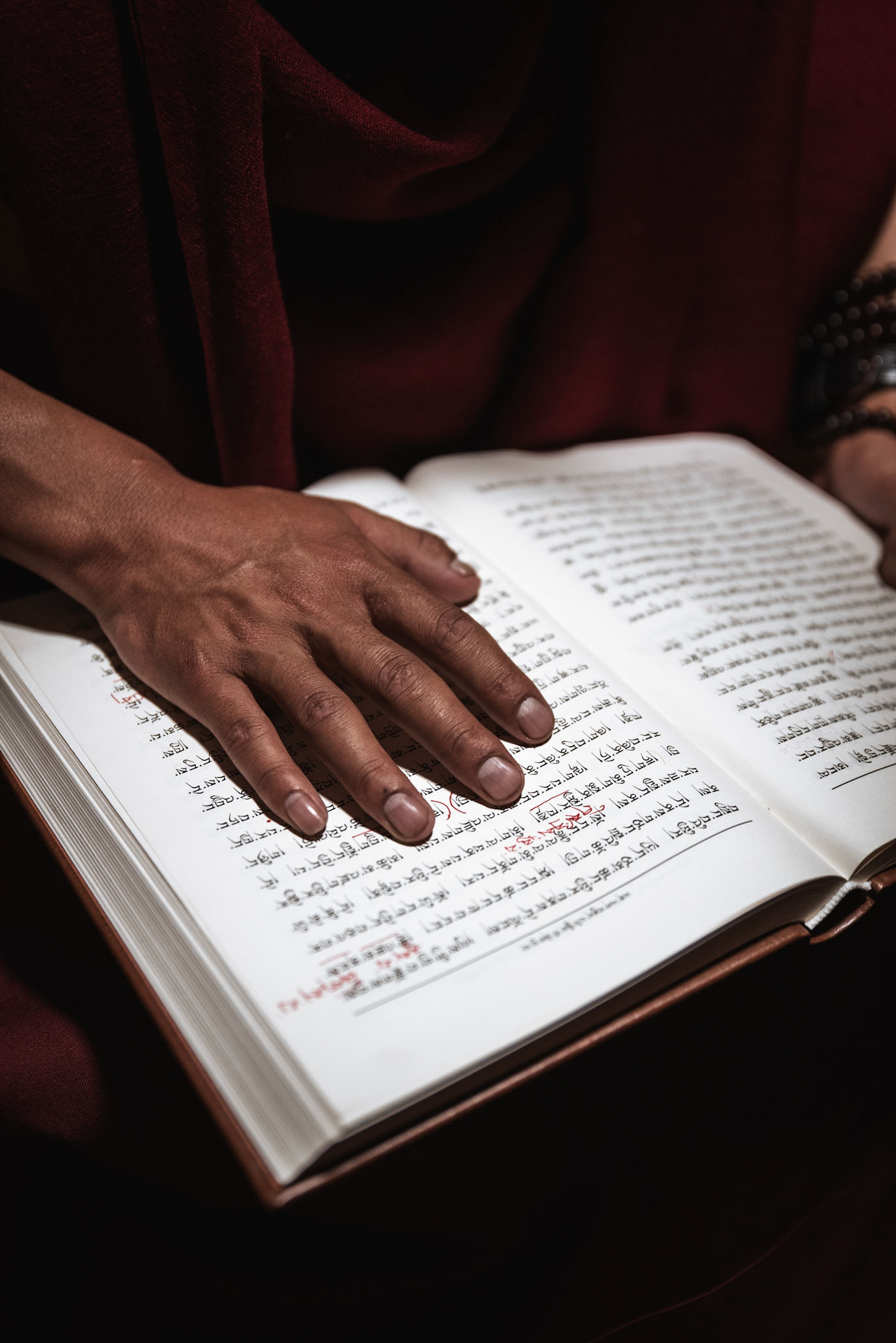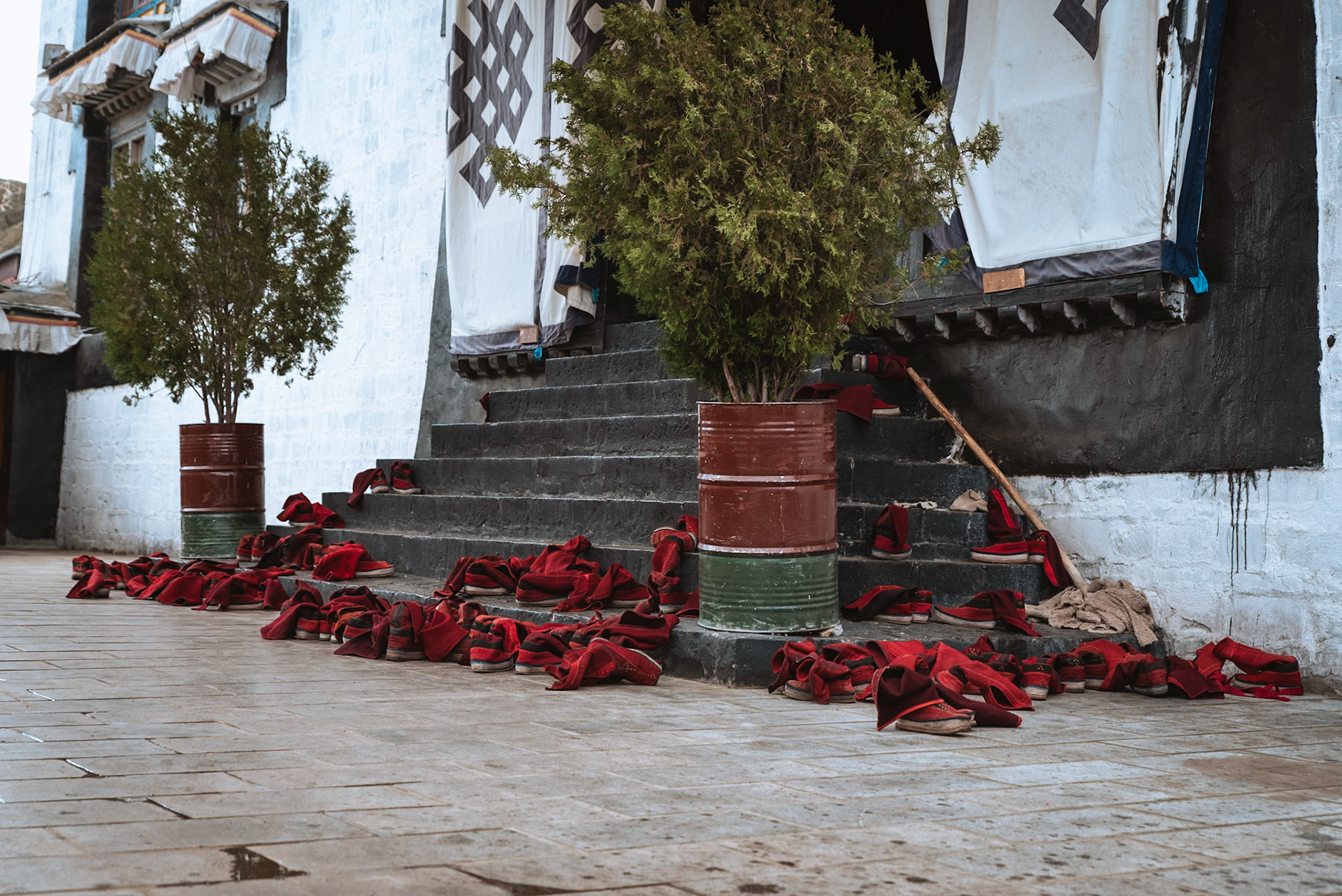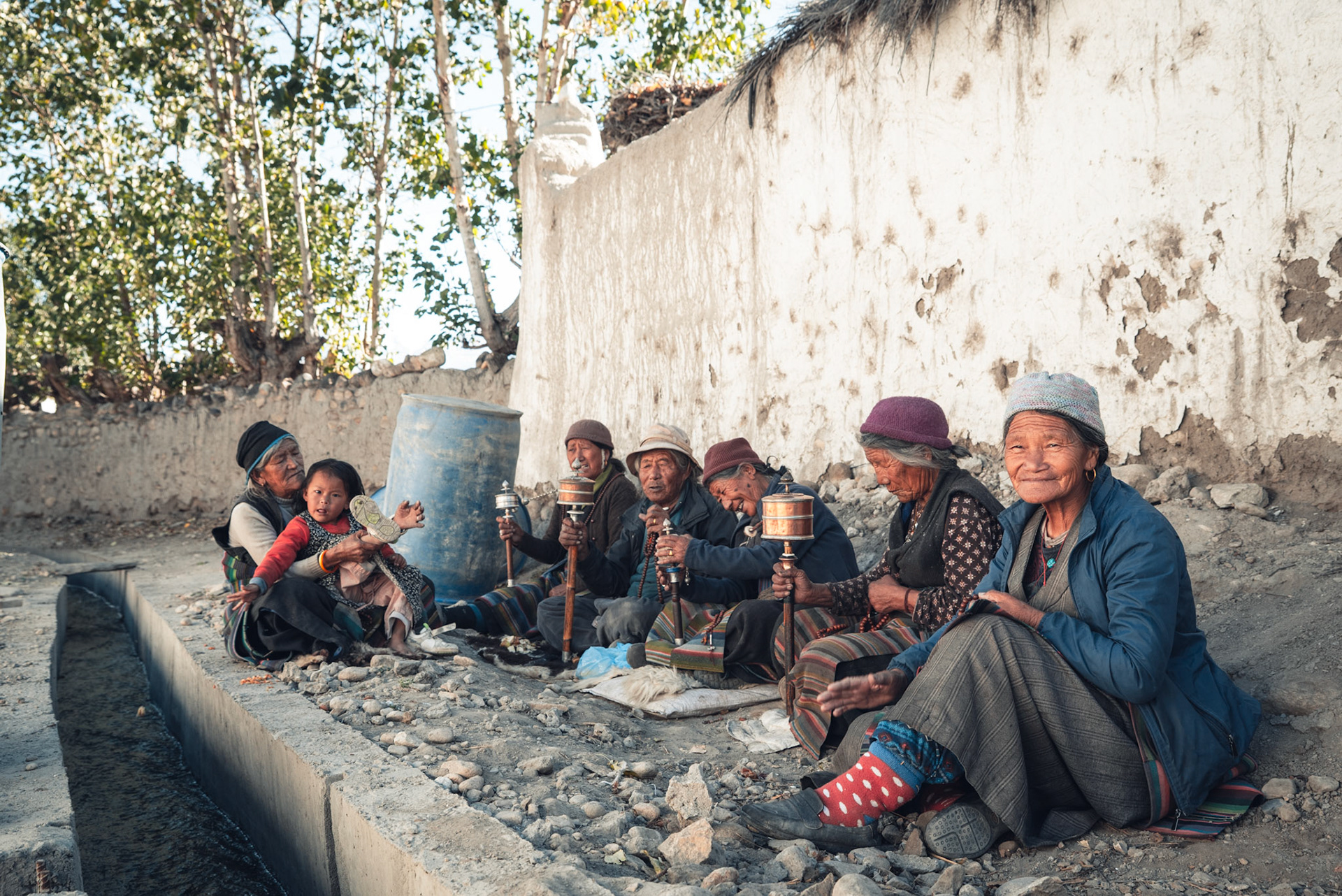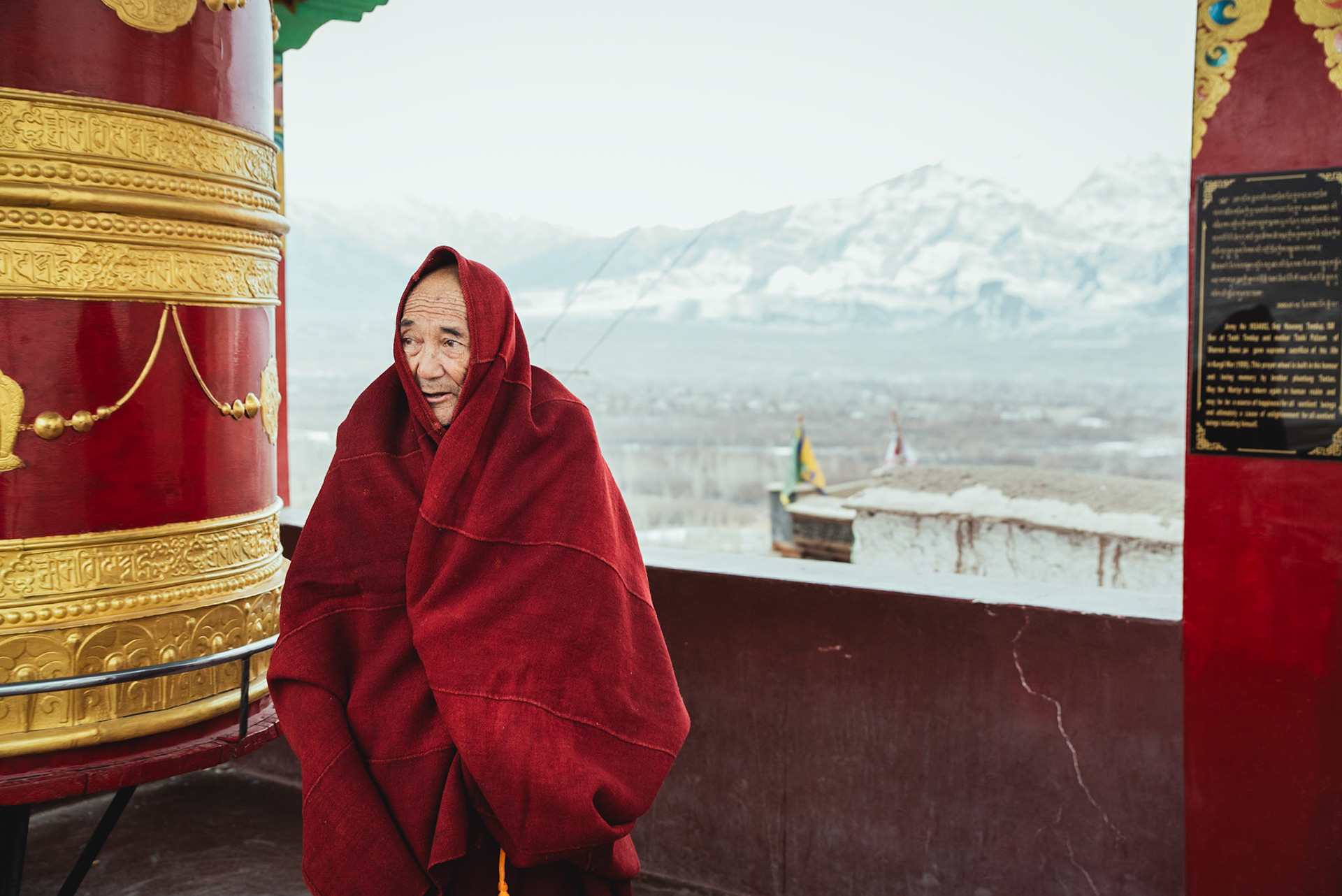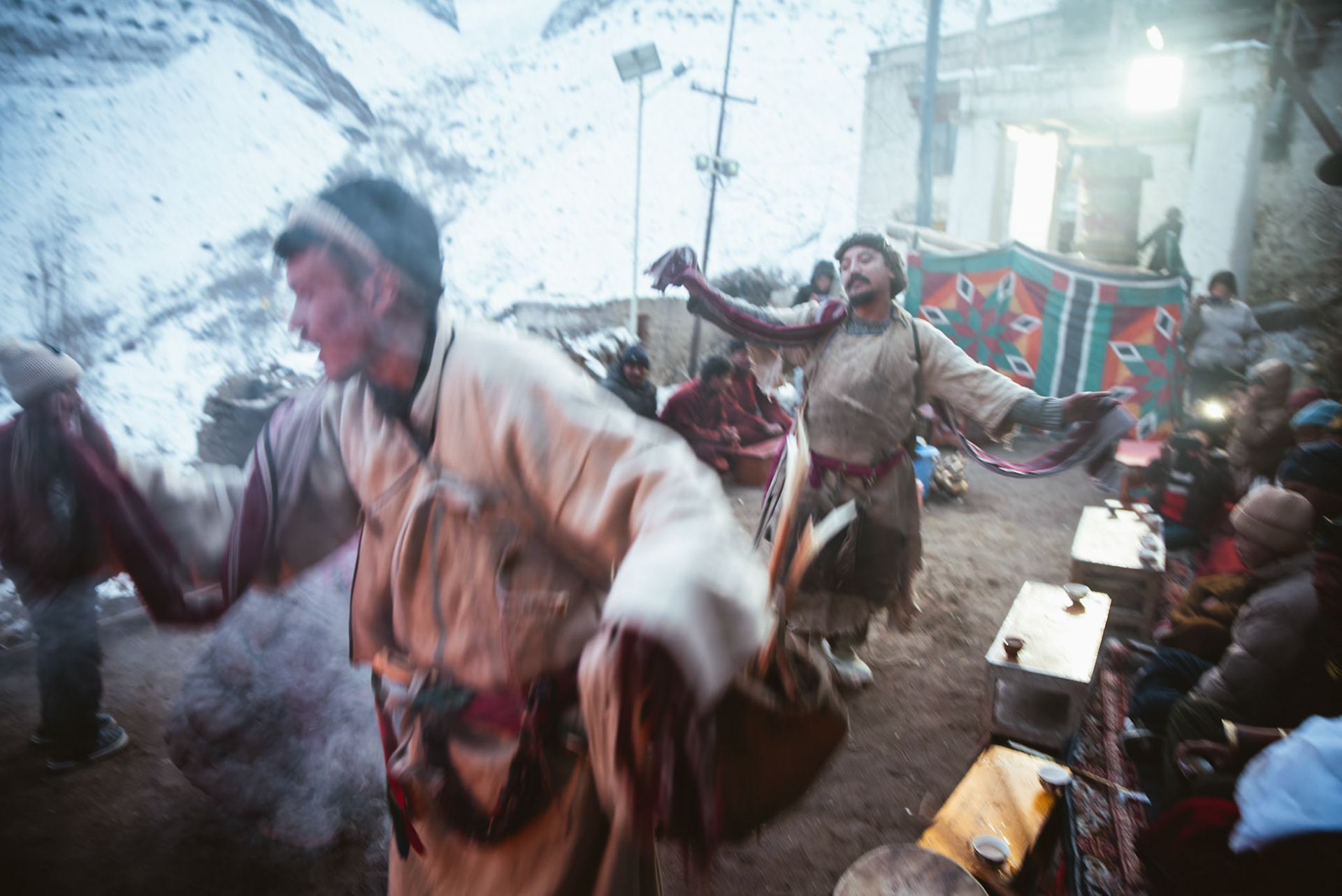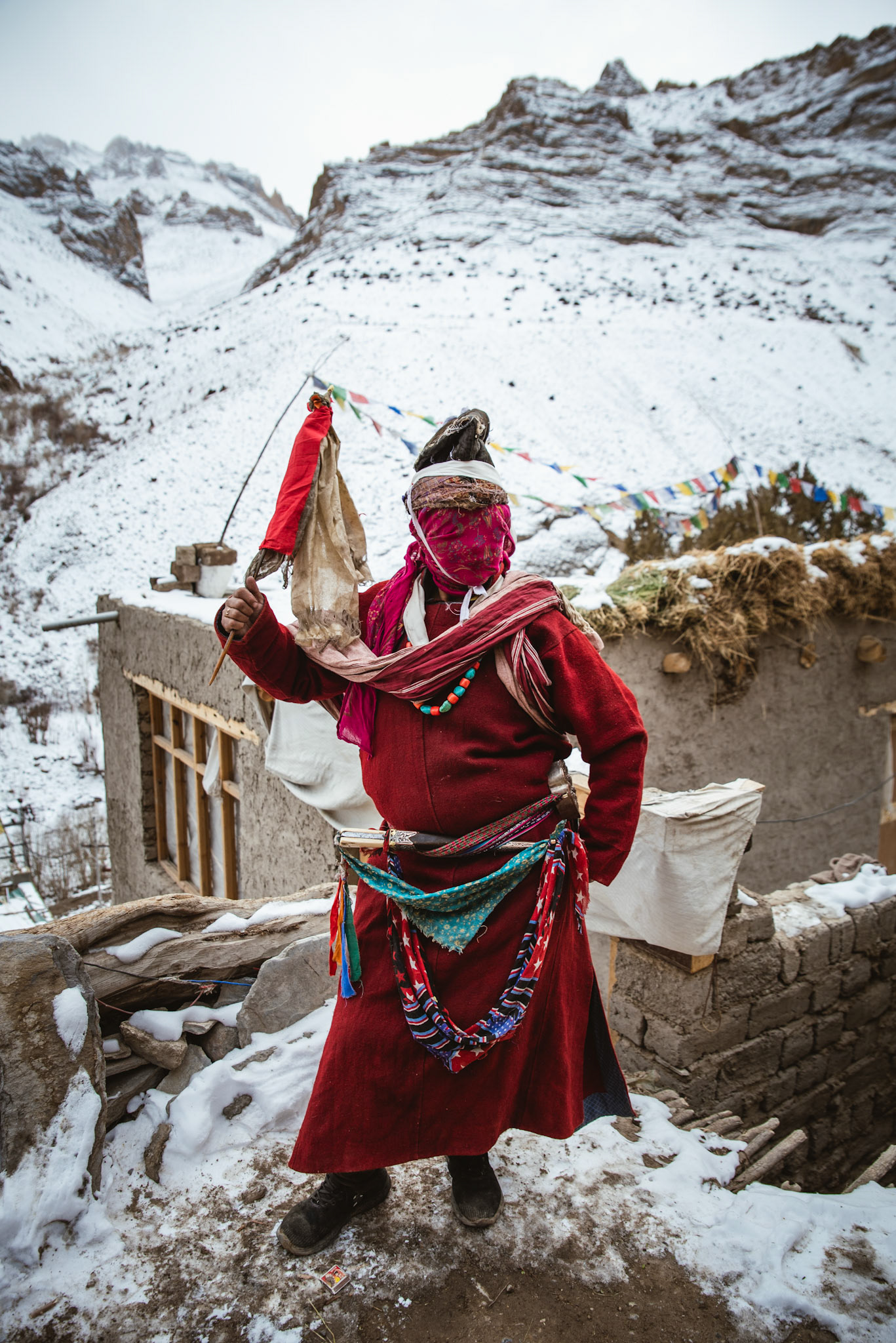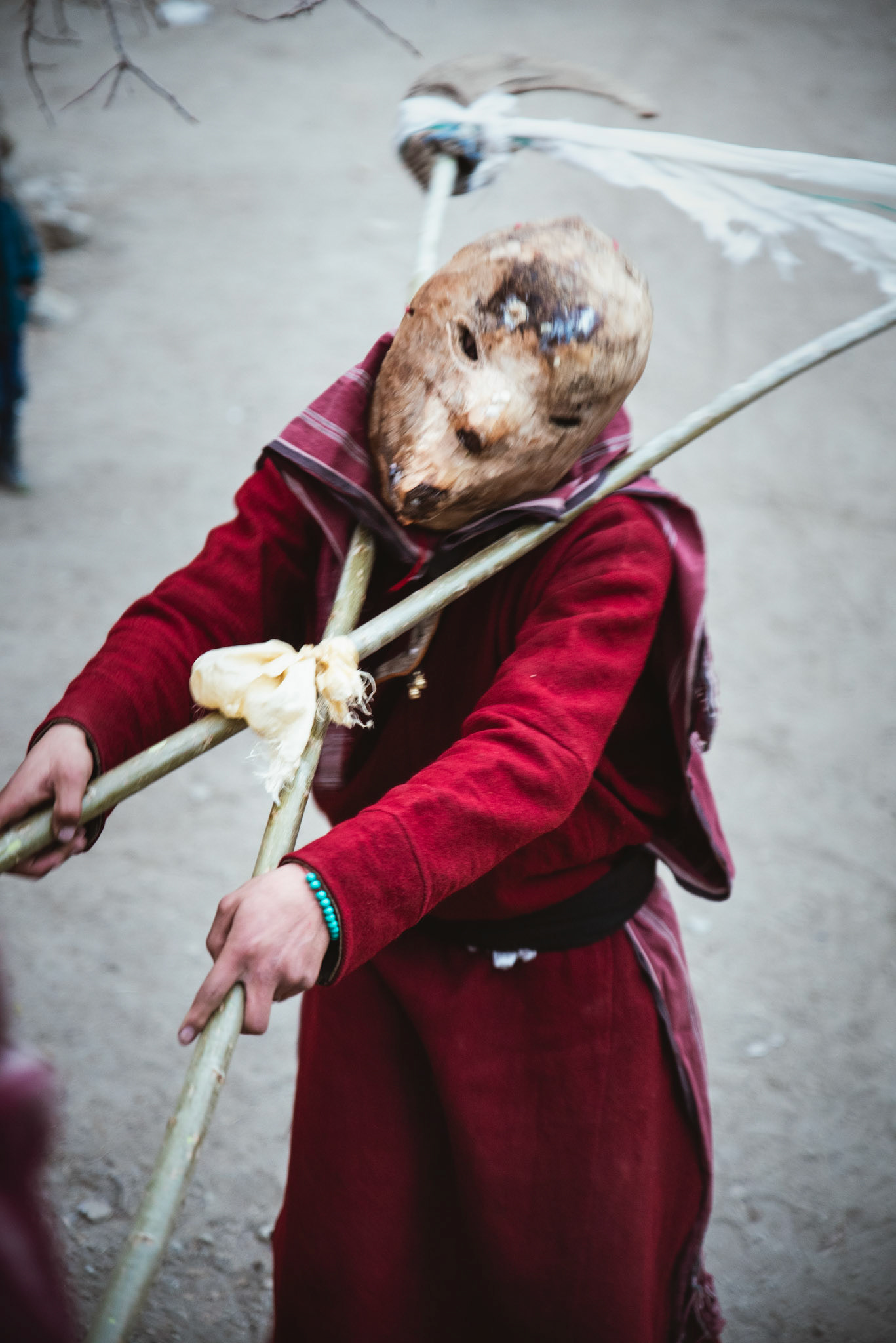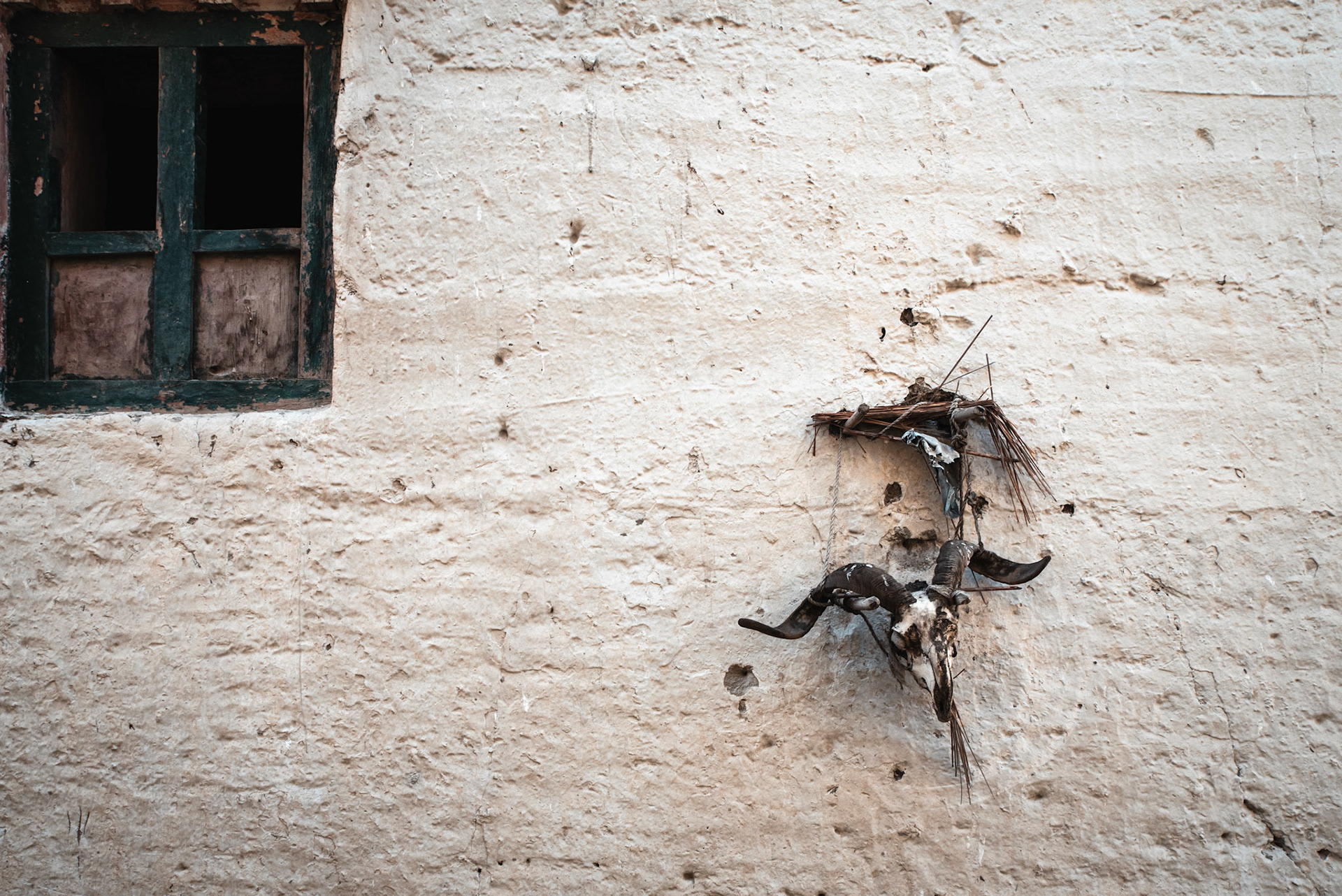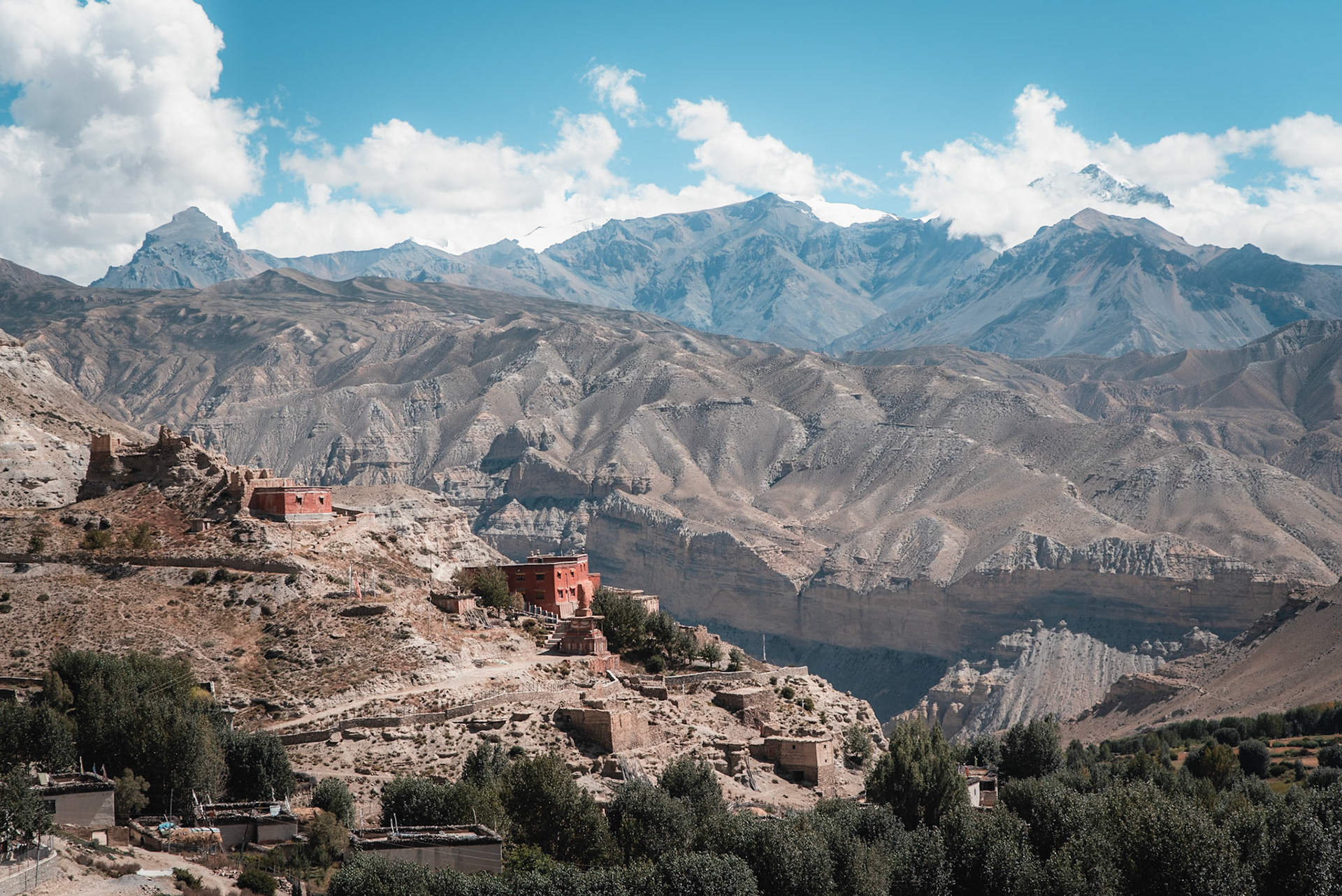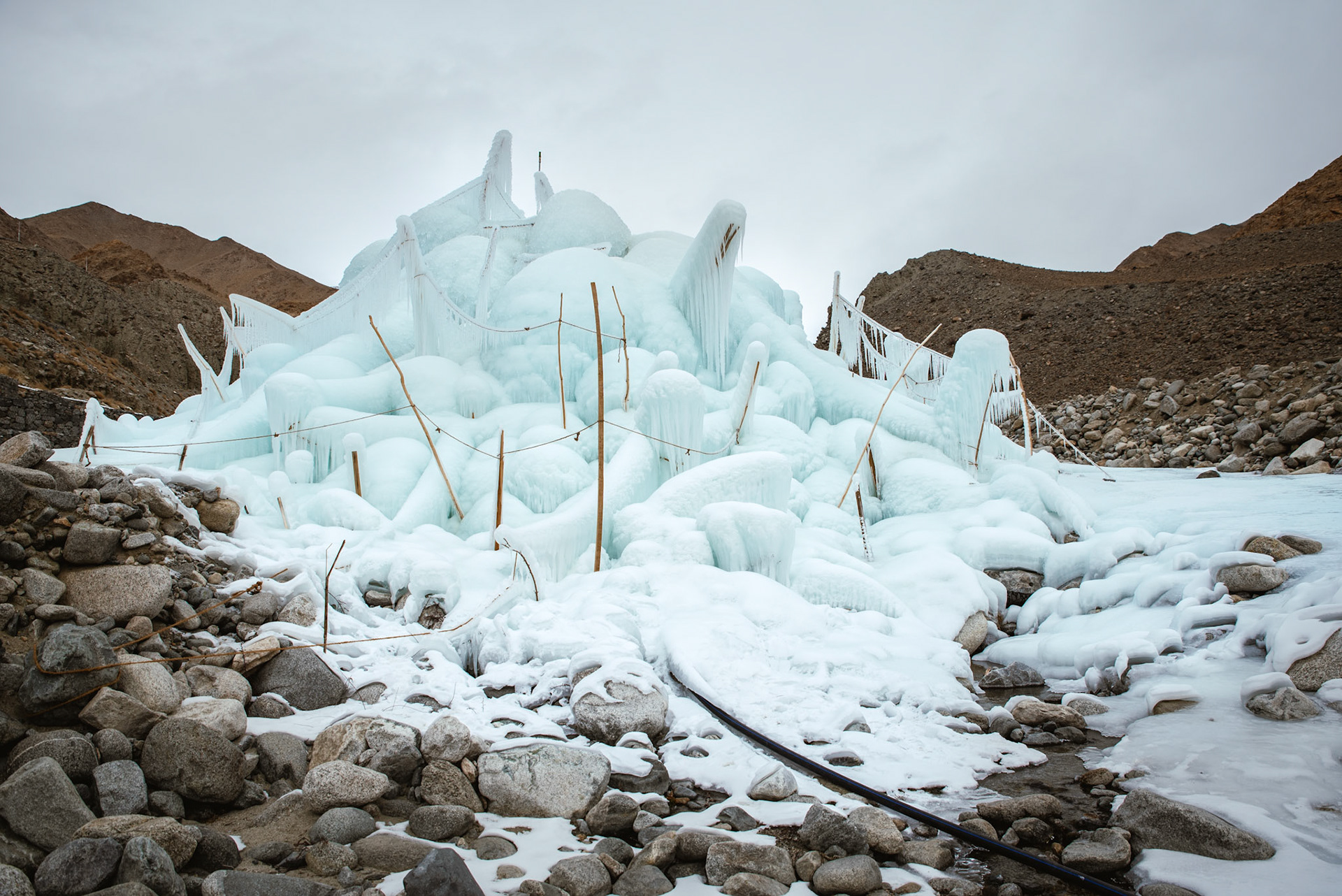
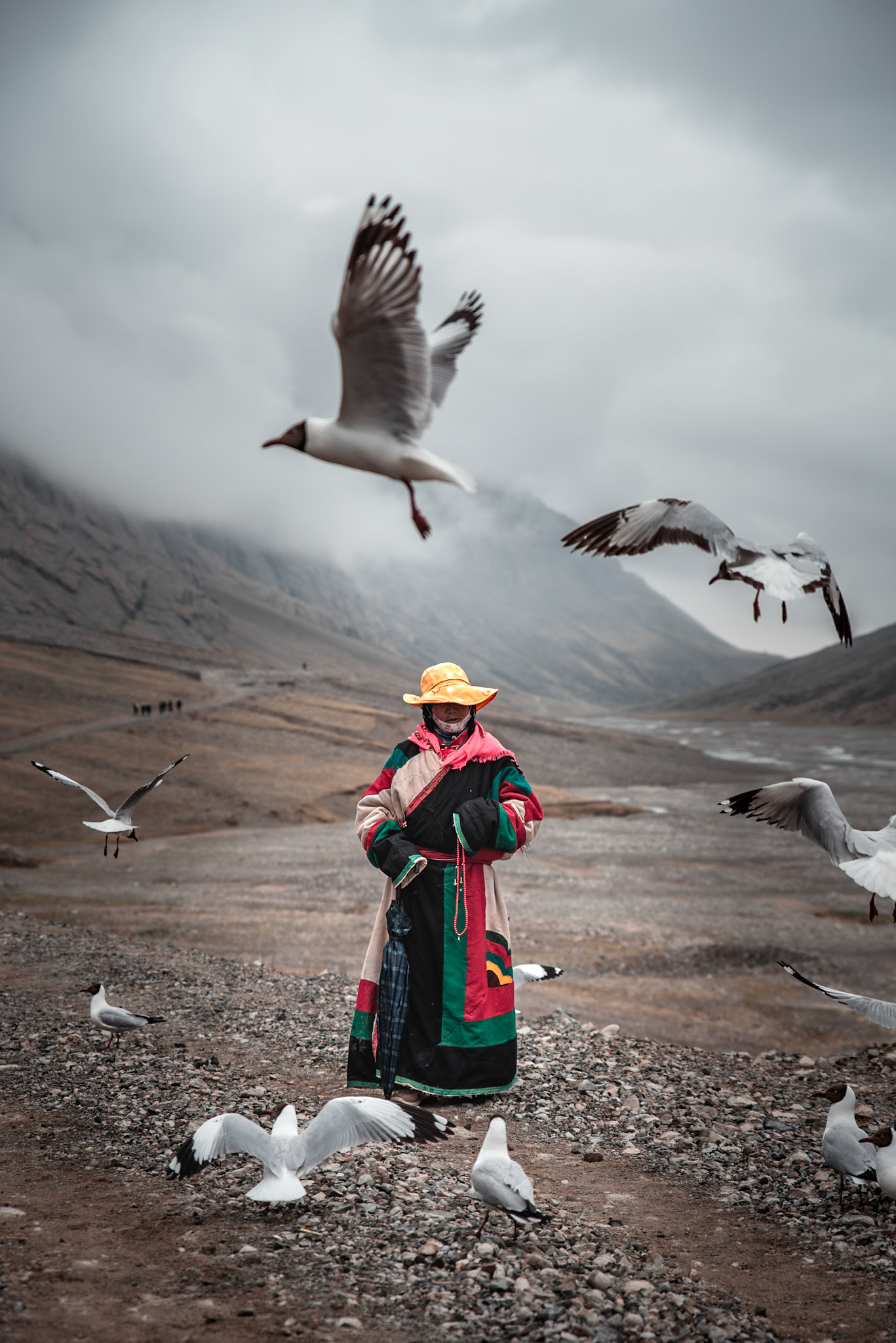
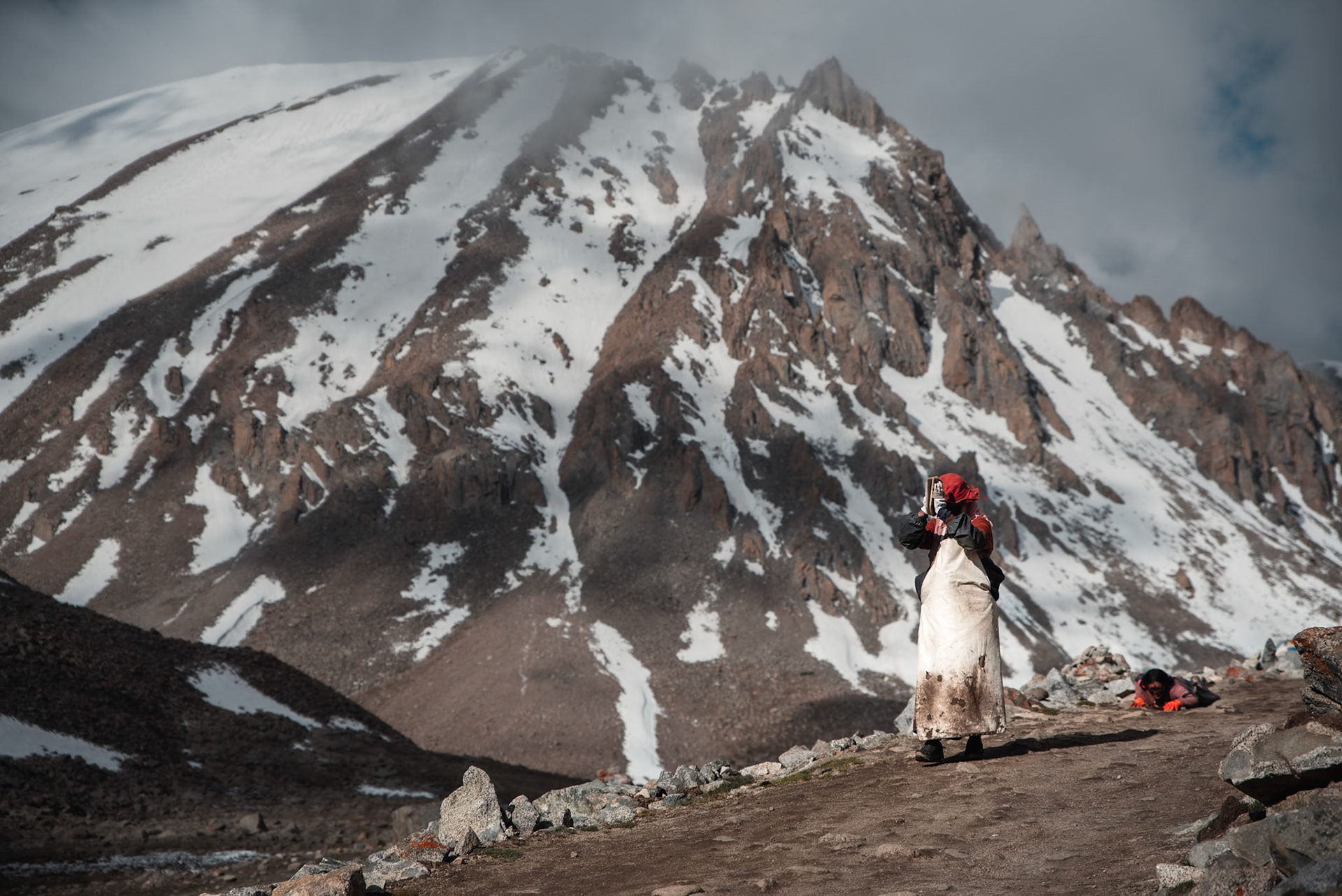
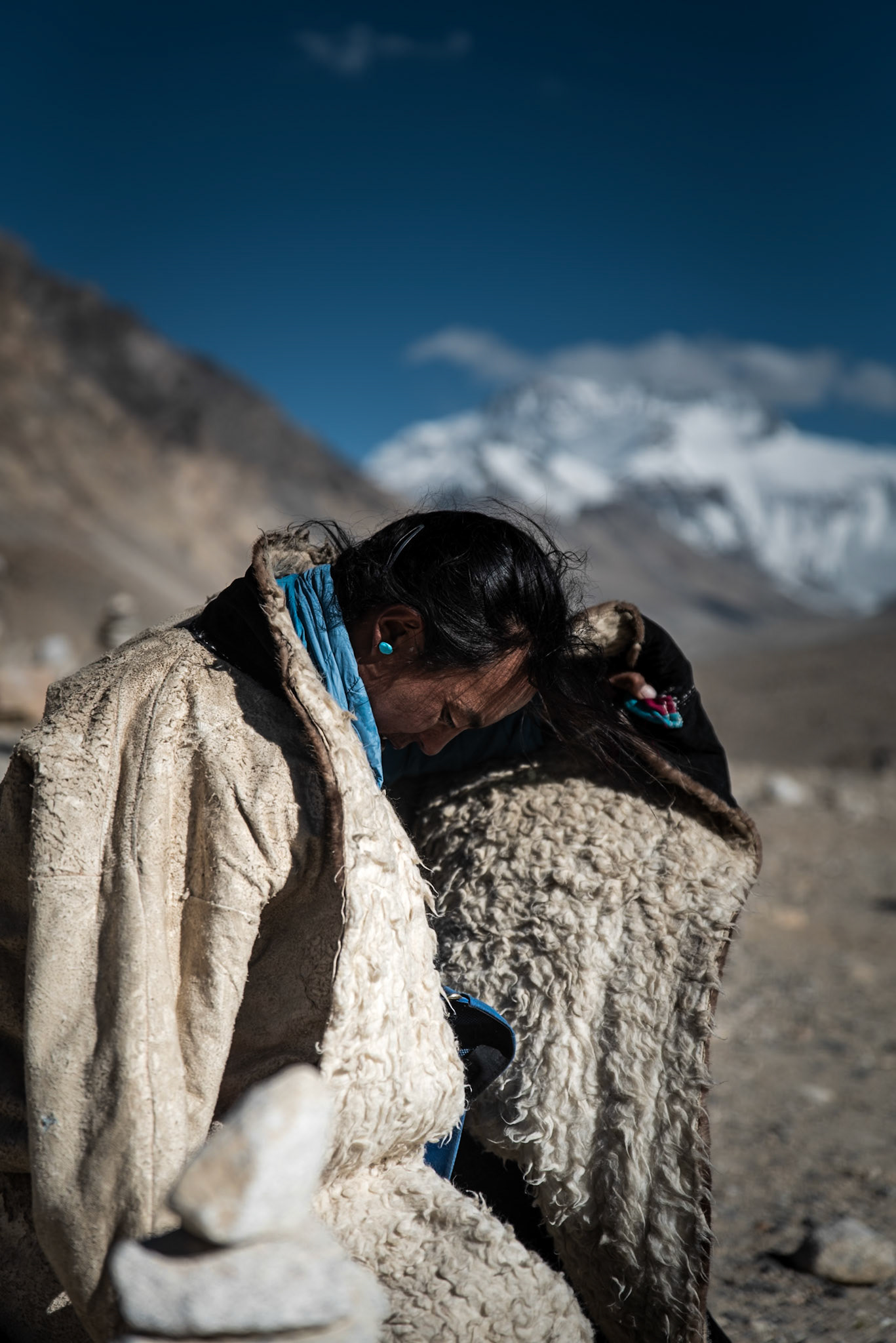
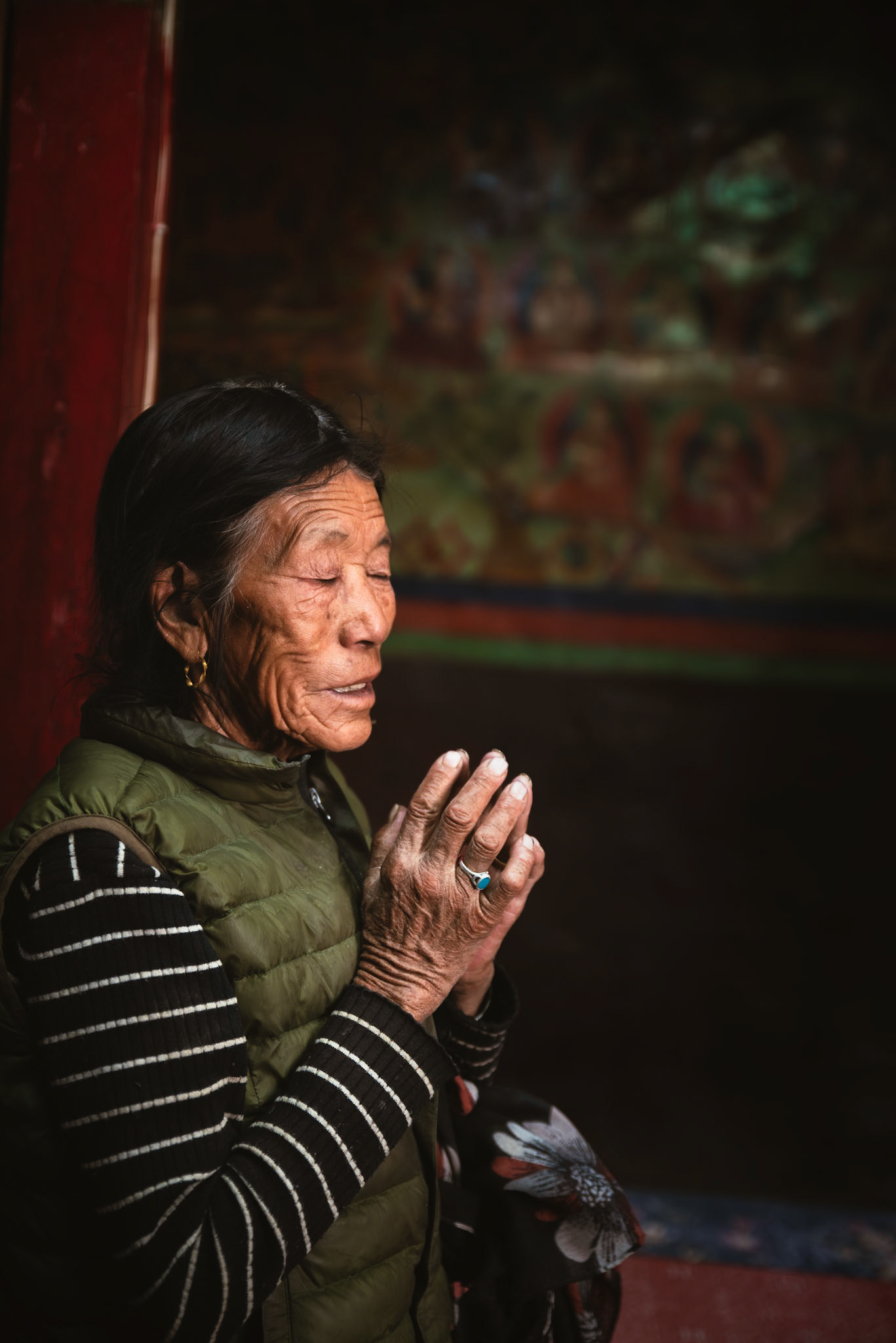
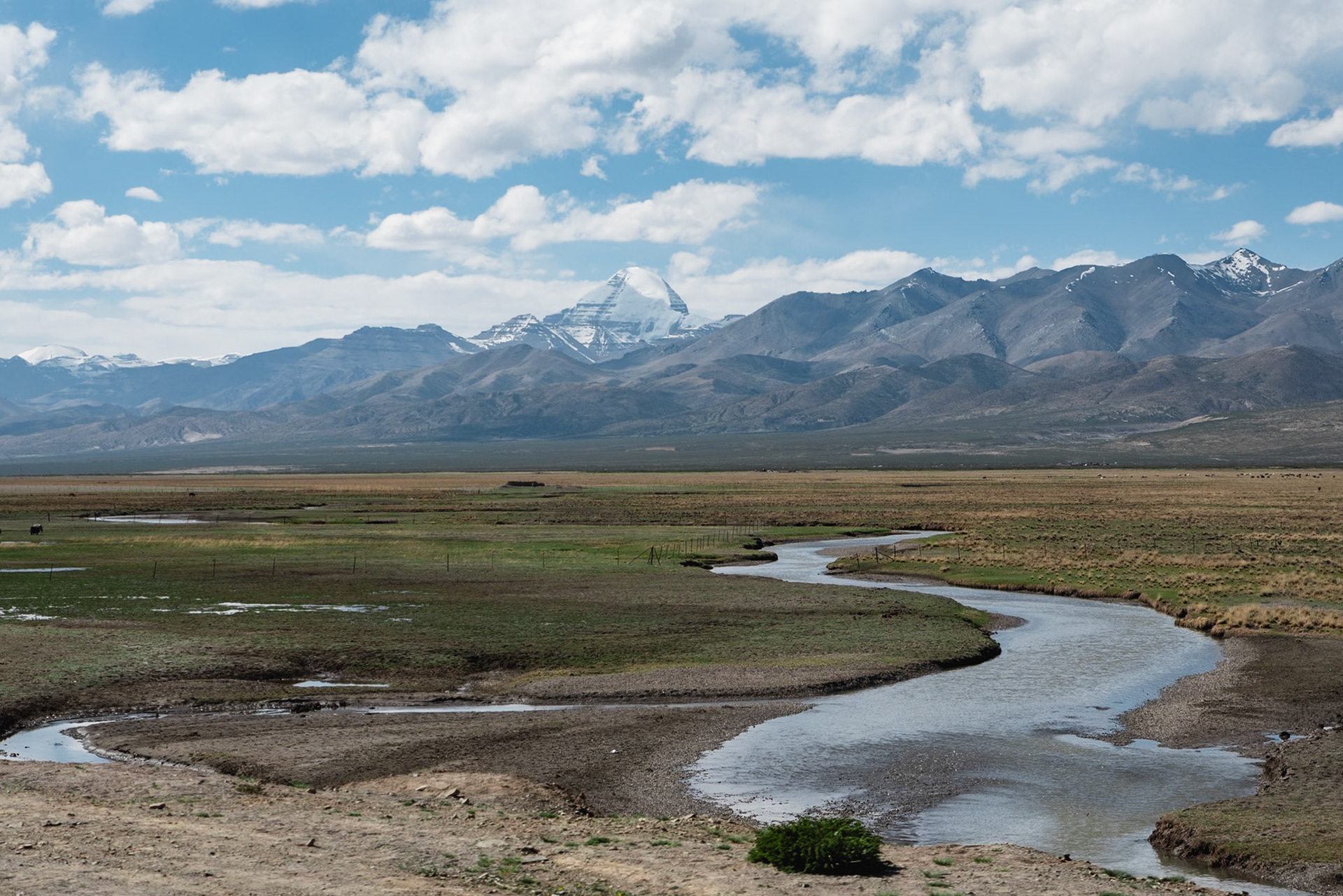
チベットを初めて訪れたとき、雄大な自然と、絶え間なく祈りを捧げる人々の姿に圧倒された。
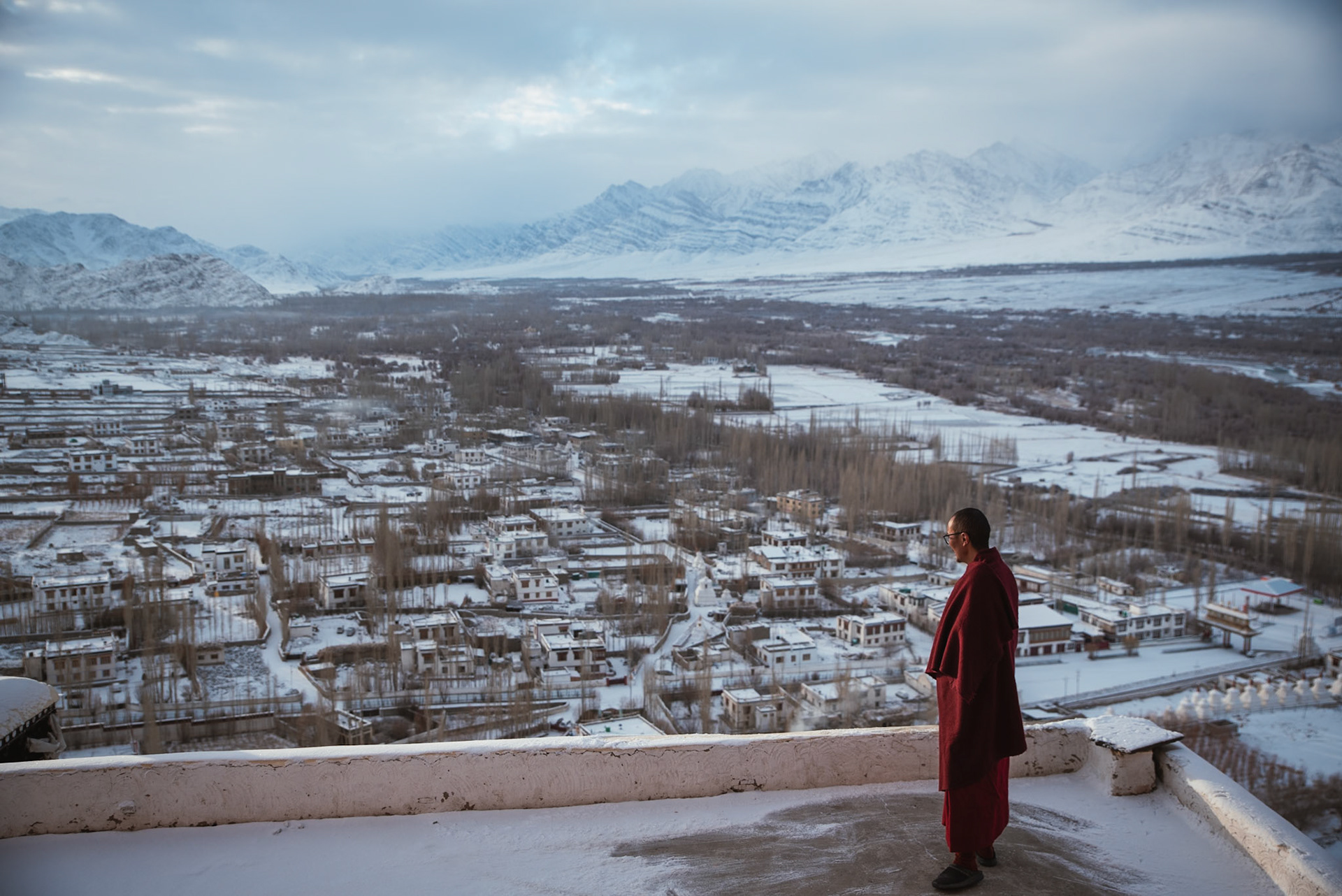
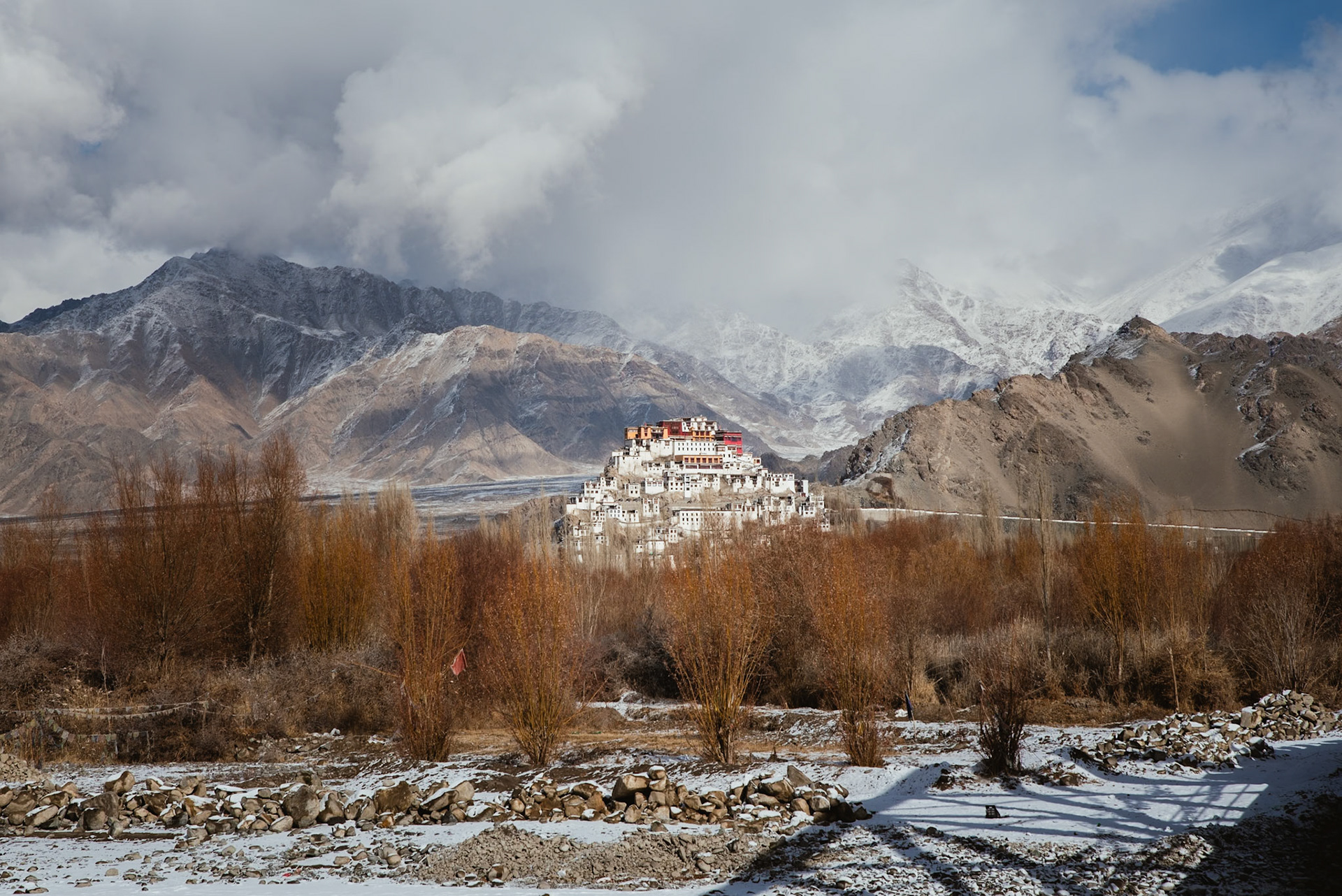
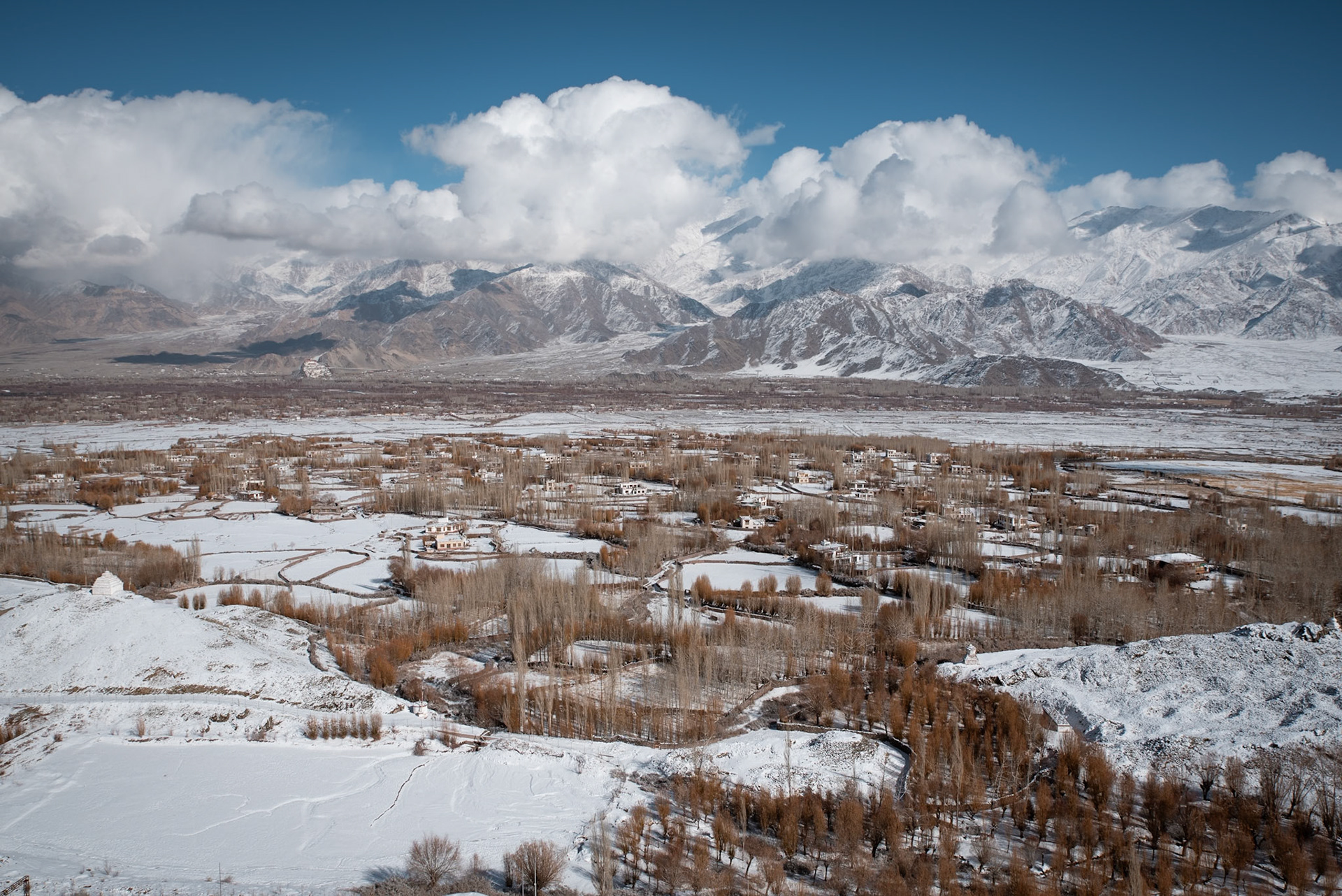
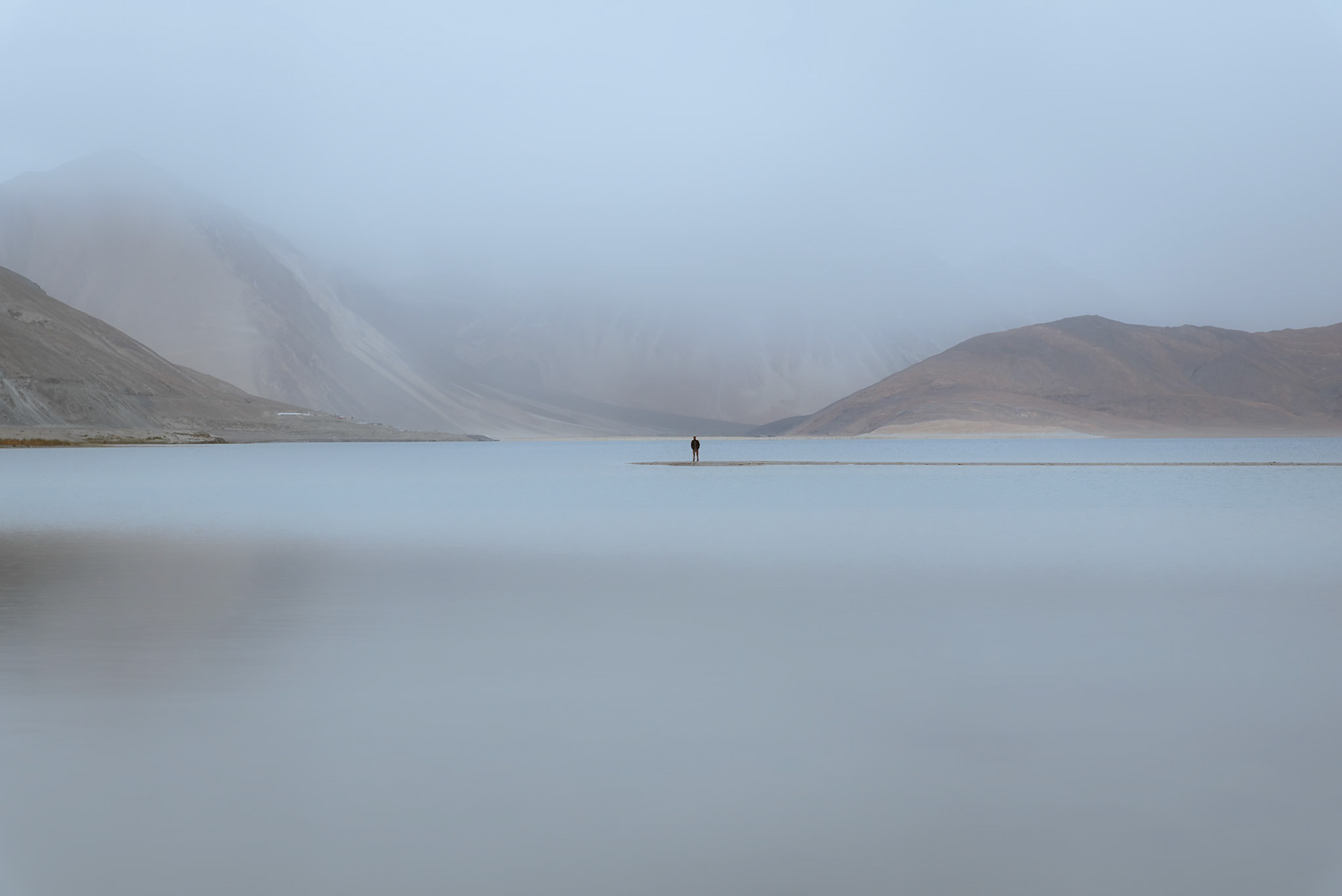
その後、「チベットよりもチベットらしい場所がある」という言葉に導かれるように、北インドのラダックを訪れた。そこには、チベット自治区とはまったく異なる空気が流れていた。
その後、「チベットよりもチベットらしい場所がある」という言葉に導かれるように、北インドのラダックを訪れた。そこには、チベット自治区とはまったく異なる空気が流れていた。
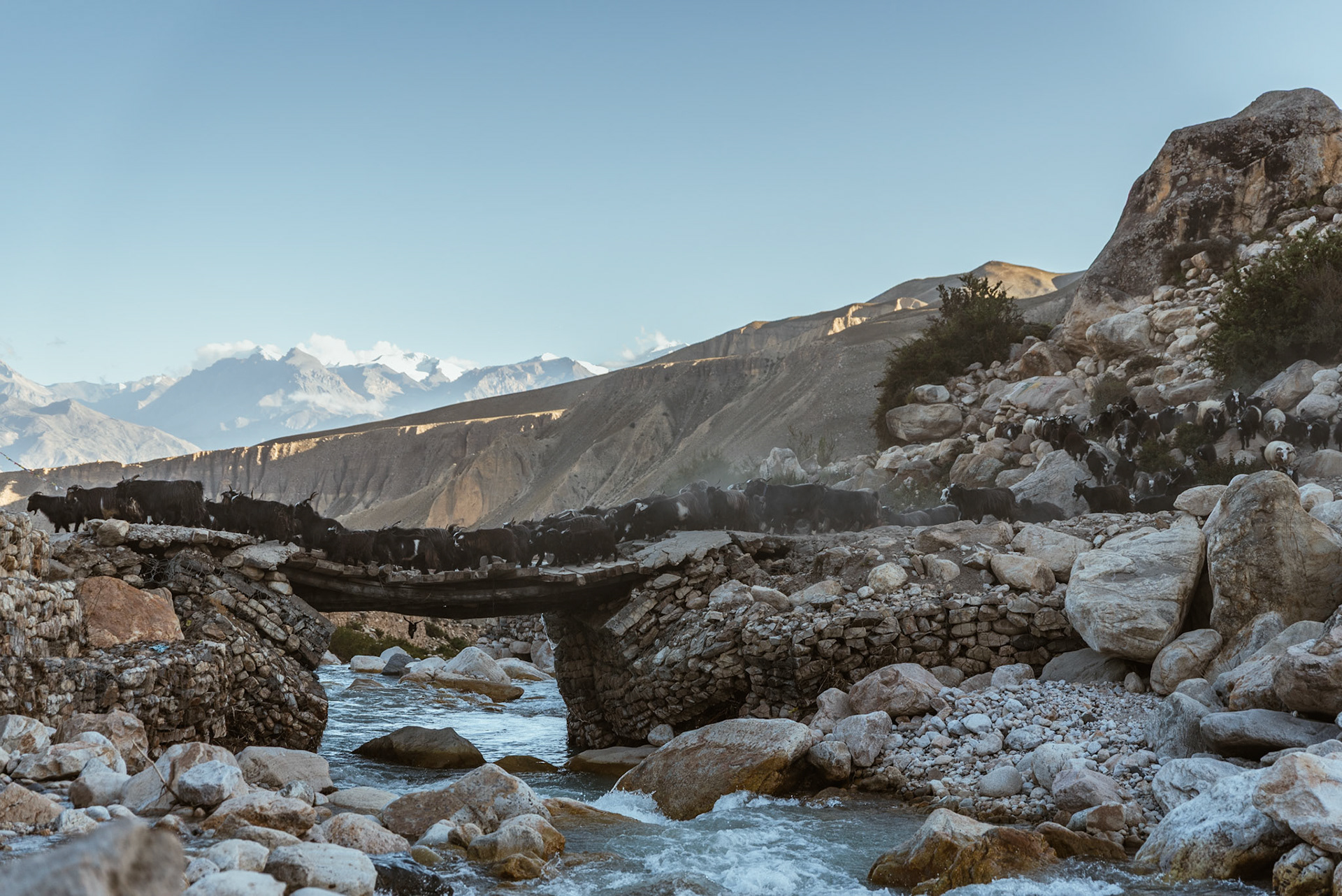
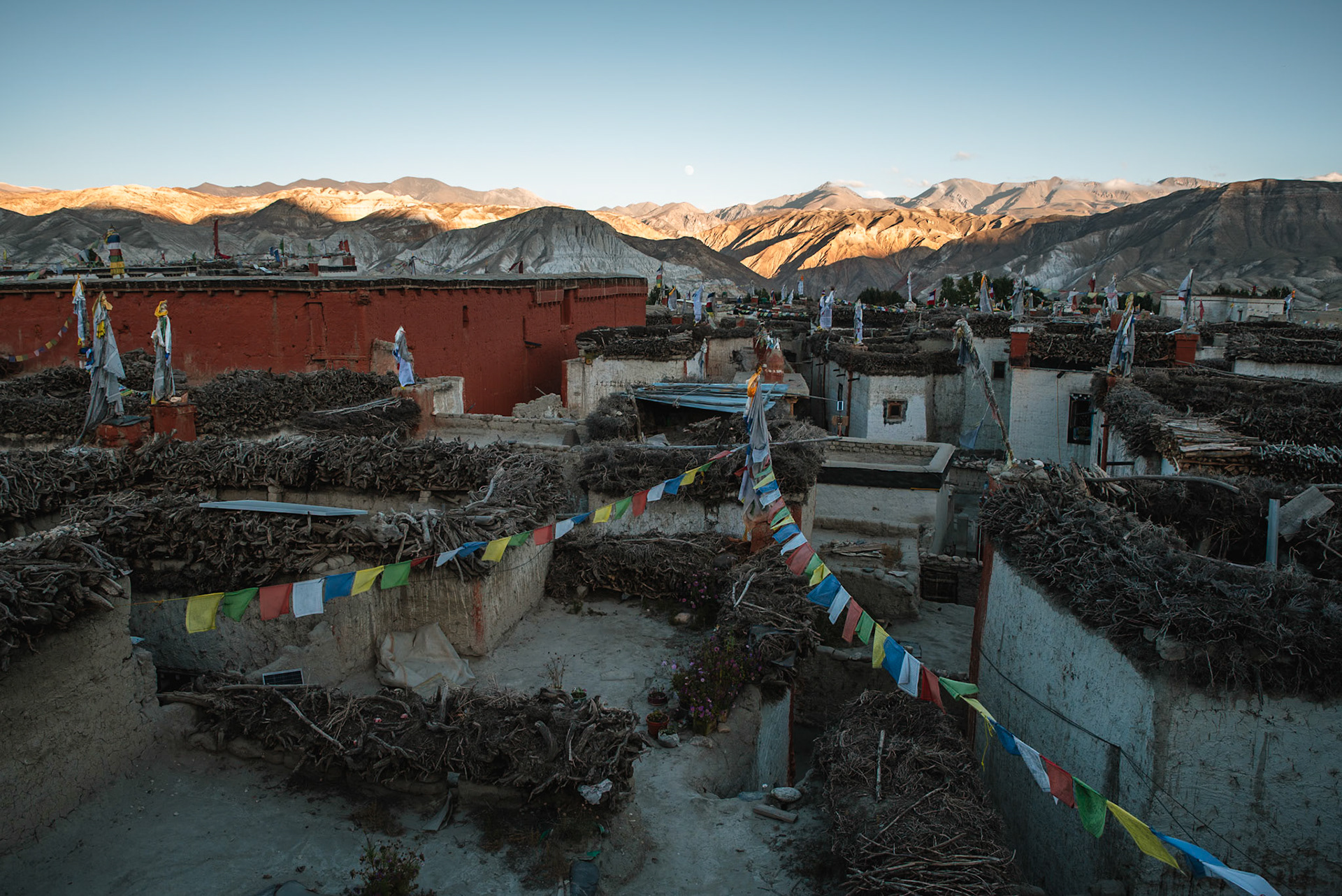
チベット文化という同じ根を持ちながら、それぞれの土地は異なる表情を見せる。
中国のチベット自治区、インドのラダック、ネパールのムスタン。国境や地理、歴史の違いは、人々の暮らしや祈りのかたちに静かに刻まれている。けれど、その奥には、どこか同じ息づかいが通っているように感じられた。
中国のチベット自治区、インドのラダック、ネパールのムスタン。国境や地理、歴史の違いは、人々の暮らしや祈りのかたちに静かに刻まれている。けれど、その奥には、どこか同じ息づかいが通っているように感じられた。
このシリーズでは、三つの地域を歩きながら、土地ごとに異なるチベットの姿と、その根底に流れる見えないつながりを見つめている。
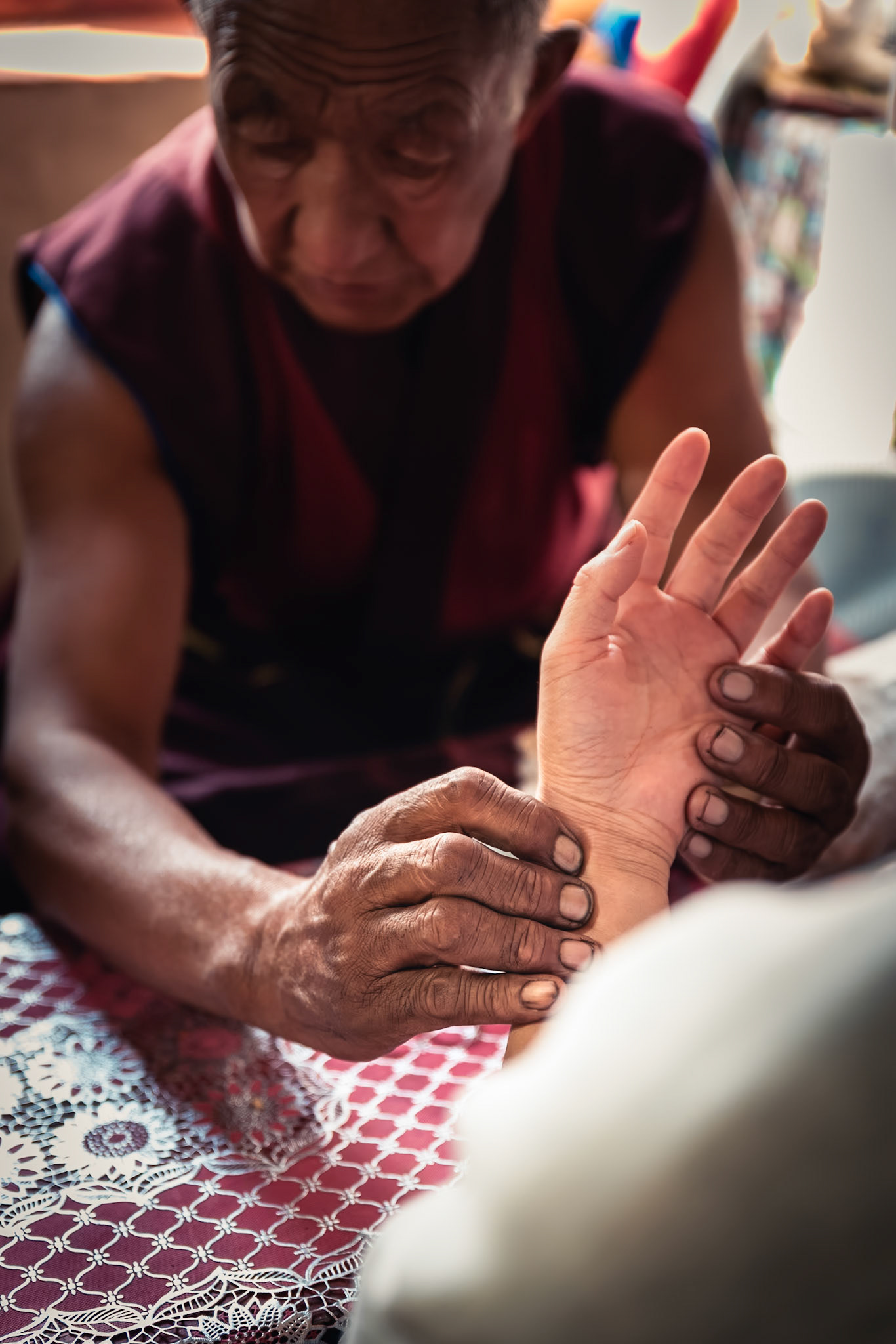
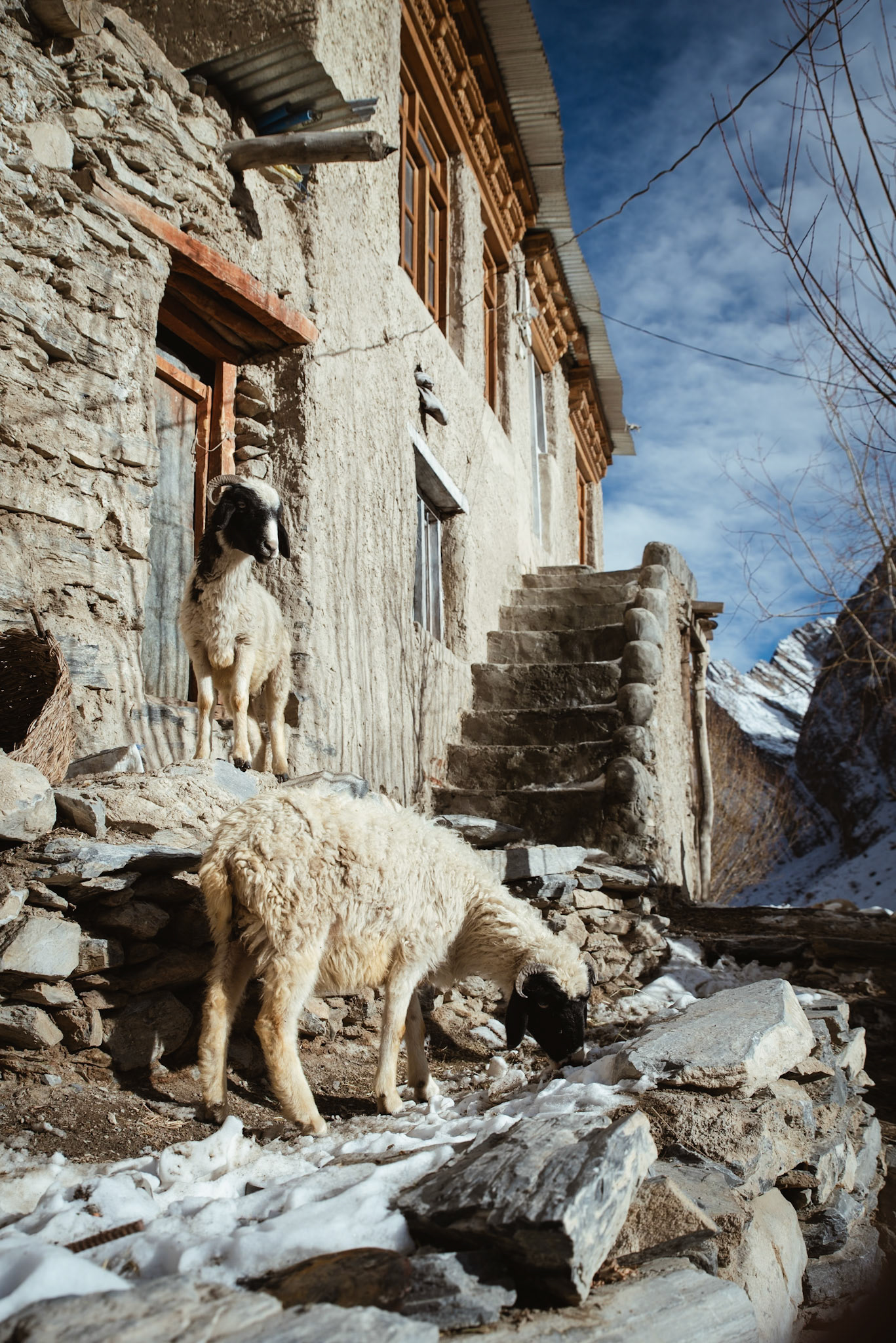
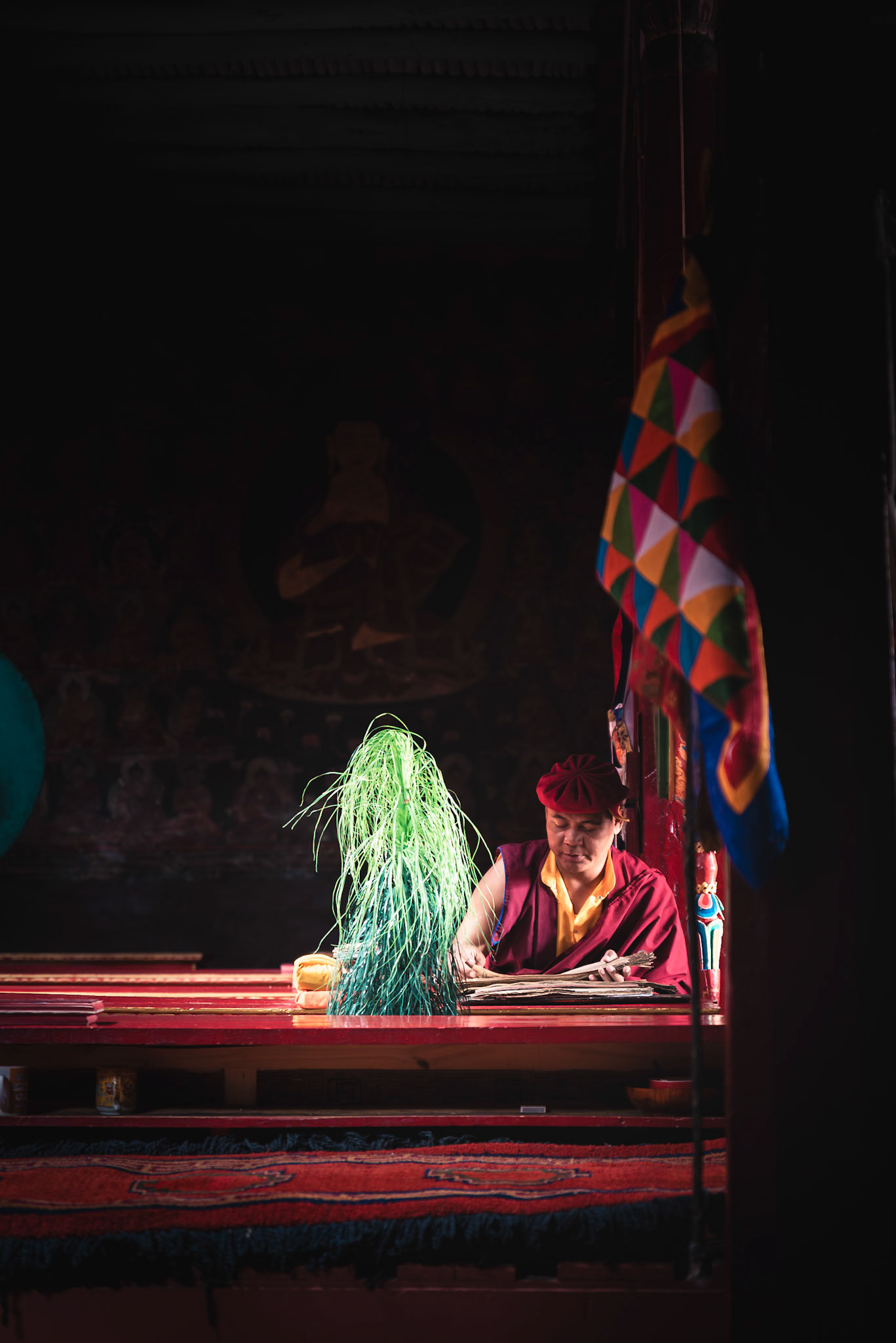
人々の営み、祈りの気配、そして大地そのものが呼吸しているような感覚。
その静かな躍動を、Breathing Tibet という言葉に込めた。
人々の営み、祈りの気配、そして大地そのものが呼吸しているような感覚。
その静かな躍動を、Breathing Tibet という言葉に込めた。
チベットは今もなお、私にとって簡単には踏み込むことのできない、広大で深い世界であり続けている。だからこそ、その奥へと、ゆっくり歩を進めていきたい。
When I first visited Tibet, I was overwhelmed by its vast landscapes and by the sight of people offering prayers without end.
Later, I heard someone say that there was a place “more Tibetan than Tibet,” and I was drawn to Ladakh in northern India. There, I encountered an atmosphere entirely different from that of the Tibet Autonomous Region.
Later, I heard someone say that there was a place “more Tibetan than Tibet,” and I was drawn to Ladakh in northern India. There, I encountered an atmosphere entirely different from that of the Tibet Autonomous Region.
Although these lands share a common foundation of Tibetan culture, each place reveals its own distinct expression.
The Tibet Autonomous Region in China, Ladakh in India, and Mustang in Nepal are shaped by different borders, geographies, and histories. These differences are quietly inscribed in the ways people live and pray. And yet, beneath them, I felt something like a shared breath moving through all three.
The Tibet Autonomous Region in China, Ladakh in India, and Mustang in Nepal are shaped by different borders, geographies, and histories. These differences are quietly inscribed in the ways people live and pray. And yet, beneath them, I felt something like a shared breath moving through all three.
In this series, I trace the varied faces of Tibet across these regions, while searching for the invisible thread that connects them.
The daily lives of people, the presence of prayer, and the sense that the land itself is breathing.
I placed that quiet vitality into the title: Breathing Tibet.
The daily lives of people, the presence of prayer, and the sense that the land itself is breathing.
I placed that quiet vitality into the title: Breathing Tibet.
Tibet remains, for me, a vast and profound world that I cannot easily step into or fully grasp.
That distance is precisely what keeps me walking toward it, slowly, one step at a time.
That distance is precisely what keeps me walking toward it, slowly, one step at a time.
最終版